

Education is the cornerstone of any thriving society. Did you know that countries with higher literacy rates consistently report stronger economic growth, lower crime rates, and better public health? These outcomes highlight the undeniable impact education has not only on individuals but on entire communities. Education is important to society because it equips people with the knowledge, skills, and critical thinking abilities necessary to contribute meaningfully to social and economic development. Beyond the personal advantages, education fosters equality, empowers citizens, and encourages innovation, shaping the foundations of prosperous communities.
In this article, we will explore the multifaceted role of education in society. From its social benefits, such as promoting civic responsibility and reducing inequalities, to its economic impact in driving growth and employment opportunities, and its cultural influence in preserving values and fostering understanding, education’s importance is far-reaching. By understanding why education is crucial, we can appreciate the ways it transforms individuals and strengthens the fabric of society, ensuring a brighter and more equitable future for all.
The Role of Education in Society
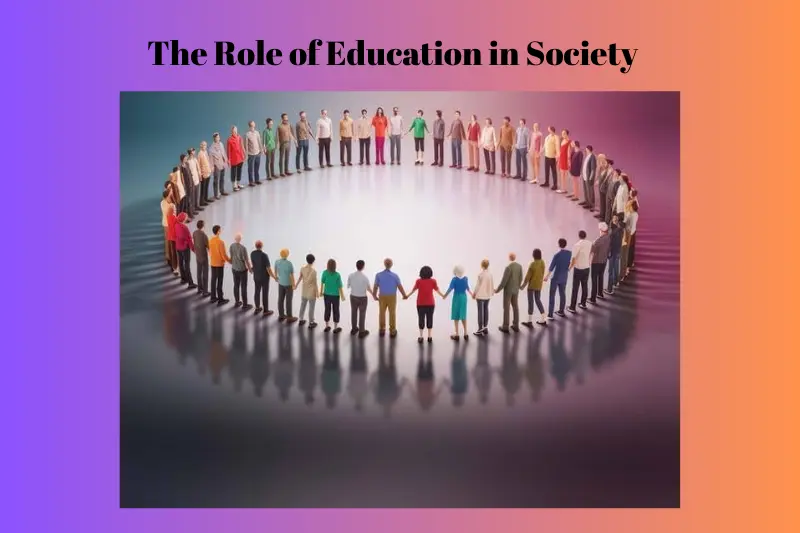
Education plays a pivotal role in shaping the foundation of any society. Education is important to society because it provides individuals with the knowledge and skills needed to participate actively in their communities. By fostering critical thinking and problem-solving abilities, education empowers people to make informed decisions, engage in civic activities, and contribute positively to social development.
Moreover, the role of education in society extends beyond individual growth. It promotes social cohesion by teaching shared values, ethical responsibility, and respect for diversity. Educated citizens are more likely to engage in community initiatives, advocate for sustainable development, and support democratic principles. In essence, education acts as a bridge, connecting people across social and cultural divides and creating a society that thrives on collaboration and mutual understanding.
May be you like it:
Exams Quotes for Students – Motivational And Positive Exam Quotes
Education Theories – Types Importance, And Classroom Applications
Education Theorists – Key Thinkers and Learning Theories Shaping Modern Education
Learning in Spanish Translation – How to Say ‘Learning’ and Improve Your Spanish
Learning Multiplication – Fun Easy and Effective Ways for Kids to Master Times Tables
Benefits of Education for Social Development
Promotes Equality and Reduces Poverty
Education is one of the most effective tools for reducing inequality. By providing equal access to learning opportunities, society can empower marginalized groups and break the cycle of poverty. Individuals with education have better job prospects and can achieve financial independence, which strengthens social stability.
Encourages Civic Responsibility
Educated citizens are more aware of their rights and responsibilities. They participate actively in voting, volunteer work, and community-building projects, fostering a sense of shared responsibility that benefits society as a whole.
Drives Innovation and Economic Growth
A well-educated workforce drives innovation, entrepreneurship, and productivity. Businesses thrive in communities where education is valued, ultimately contributing to national economic growth. The benefits of education for society are therefore not just social but also economic, creating a cycle of progress and opportunity.
May be you like it:
Teacher Jokes | 50+ Funny Jokes for Teachers, Students And Adults
Teacher from Fairly OddParents – Mr. Crocker And School Characters Explained
Teacher Incentive Allotment – Benefits, Types, and How It Works
Teacher Vanderbilt Form – Step-by-Step Guide for Accurate ADHD Assessment
Learning Objective Verbs – A Complete Guide with Examples And Tips
How Education Shapes Communities
Education has a profound impact on the structure and well-being of communities. Education is important to society because it strengthens the social fabric by promoting cooperation, understanding, and shared values among community members. Communities with high levels of education tend to experience lower crime rates, better public health, and stronger civic engagement.
Educated individuals are more likely to volunteer, participate in local decision-making, and advocate for improvements in infrastructure, healthcare, and education itself. This creates a positive feedback loop where education fuels social development, which in turn nurtures a stronger, more cohesive community. By investing in education, societies build communities that are resilient, inclusive, and forward-thinking.
May be you like it:
Education in Russia – Top Universities Programs And Opportunities for International Students
Education is Important to Society Because It Matters
Education Benefits for Veterans – Maximize Your GI Bill Scholarships And Training
Learning Korean Alphabet – A Beginner’s Guide to Hangul
Teacher Appreciation Week 2026 – Dates, Ideas, and Ways to Celebrate
Education as a Tool for Personal and Societal Growth
Empowering Individuals
Education equips people with the skills and knowledge to achieve their personal goals. It fosters self-confidence, creativity, and critical thinking, enabling individuals to navigate life successfully and contribute meaningfully to society.
Reducing Social Inequalities
Access to education helps level the playing field, reducing social disparities. It provides opportunities for everyone, regardless of background, to improve their socio-economic status and actively participate in shaping society.
Building Sustainable Societies
A society that values education invests in its future. Educated citizens are more likely to support sustainable development, advocate for environmental protection, and promote policies that ensure long-term societal growth. Education is important to society because it ensures that communities continue to evolve positively while maintaining social harmony.
Conclusion
In conclusion, education is important to society because it drives social, economic, and cultural development. From reducing inequality and fostering civic responsibility to promoting innovation and shaping resilient communities, its impact is far-reaching. By recognizing the transformative power of education, societies can empower individuals, strengthen communities, and create a brighter, more equitable future for everyone. Investing in education is not just an investment in individuals—it is an investment in the prosperity and stability of society as a whole.
May be you like it:
Learning Calculus Made Easy – Beginner’s Guide to Mastering Calculus
Examkrackers MCAT – Complete Guide to High-Yield MCAT Prep And Study Resources
Exams Crossword Clue – Tips Examples and Answers to Solve Crossword Puzzles
