

Introduction
Teacher incentive allotment is a structured program designed to reward educators for their hard work, dedication, and contributions to student success. By providing financial bonuses, professional development opportunities, or other forms of recognition, schools aim to motivate teachers and enhance overall educational quality. These incentive programs not only boost teacher morale but also encourage higher performance, leading to improved learning outcomes for students. For educational institutions, implementing a fair and transparent teacher incentive allotment system helps retain talented staff, reduces turnover, and fosters a positive work environment. Understanding how these allotments work and their benefits is crucial for both teachers seeking recognition and schools striving for excellence in education.
What is Teacher Incentive Allotment?
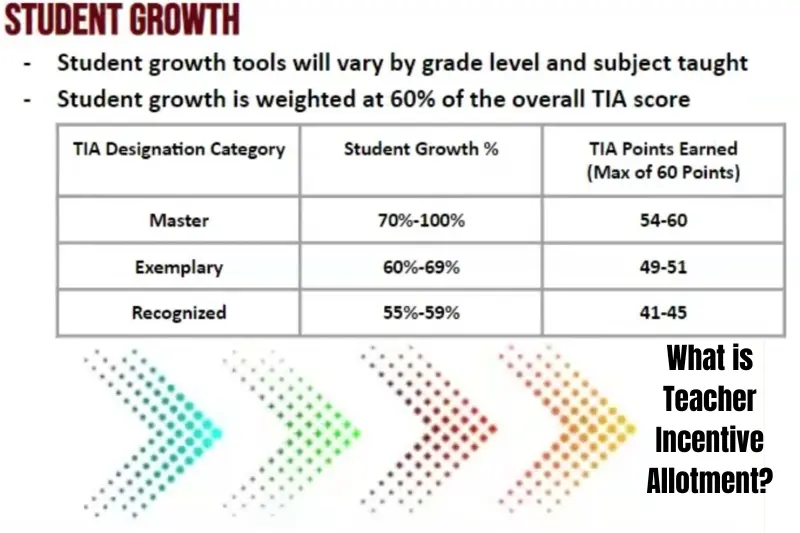
Teacher incentive allotment refers to the systematic allocation of rewards and benefits to educators based on their performance, achievements, and contributions within a school or educational system. These allotments can take various forms, including monetary bonuses, promotions, professional development opportunities, and public recognition. The main goal of teacher incentive allotment is to motivate educators to maintain high teaching standards, improve student outcomes, and foster a culture of excellence within schools.
By implementing a clear and transparent incentive allotment system, educational institutions can ensure that outstanding teachers are acknowledged and rewarded fairly. This not only encourages teachers to perform at their best but also helps schools retain talented staff, ultimately benefiting the entire learning environment.
May be you like it:
Exams Quotes for Students – Motivational And Positive Exam Quotes
Education Theories – Types Importance, And Classroom Applications
Education Theorists – Key Thinkers and Learning Theories Shaping Modern Education
Learning in Spanish Translation – How to Say ‘Learning’ and Improve Your Spanish
Learning Multiplication – Fun Easy and Effective Ways for Kids to Master Times Tables
Types of Teacher Incentives
Teacher incentive allotment can take many forms, designed to recognize and reward educators for their dedication and performance. These incentives generally fall into two main categories: monetary and non-monetary rewards.
Monetary Incentives
Monetary incentives are financial rewards given to teachers for achieving specific goals or demonstrating exceptional performance. Examples include performance-based bonuses, salary increments, and special allowances. These types of incentives are highly motivating and directly reward teachers for their efforts, making them a core part of most teacher incentive programs. Including monetary rewards in the teacher incentive allotment ensures that educators feel valued and fairly compensated for their contributions.
Non-Monetary Incentives
Non-monetary incentives focus on recognition and professional growth rather than direct financial compensation. These can include awards, certificates, opportunities for professional development, leadership roles, or public recognition at school events. Non-monetary rewards help boost morale, encourage continuous learning, and strengthen a teacher’s sense of purpose and belonging within the educational institution.
By combining both monetary and non-monetary incentives, schools can create a well-rounded teacher incentive allotment program that motivates staff, improves performance, and fosters long-term teacher retention.
How Teacher Incentive Allotment Works
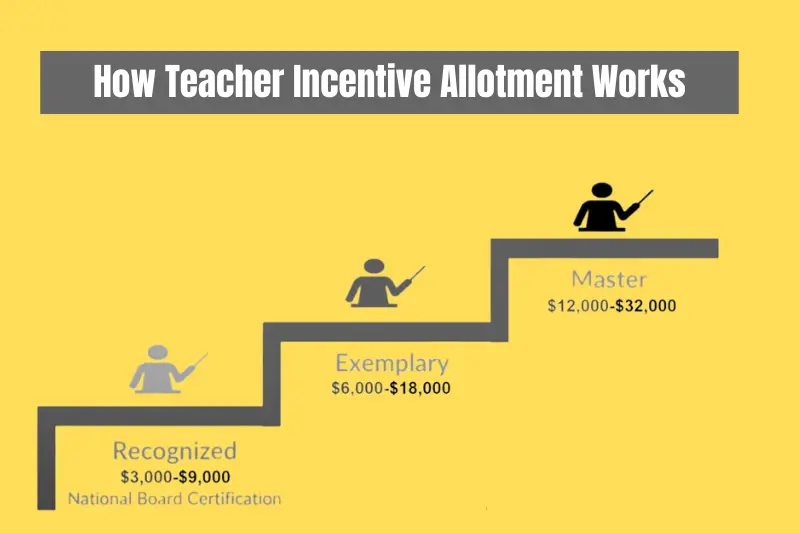
Understanding how teacher incentive allotment works is essential for both educators and school administrators. The process typically involves several key steps to ensure fairness, transparency, and effectiveness.
- Setting Eligibility Criteria
Schools define which teachers qualify for incentives based on factors such as years of service, teaching performance, student outcomes, and participation in school programs. Clear eligibility criteria ensure that the incentive program is transparent and motivates the right behaviors. - Performance Assessment
Teachers’ contributions are measured through performance evaluations, classroom observations, student feedback, and achievement of specific goals. This step ensures that rewards are distributed based on merit rather than favoritism. - Determining the Incentive Amount or Type
Once performance is assessed, schools allocate the appropriate incentive, whether it is a monetary bonus, professional development opportunity, or recognition award. The allotment may vary depending on performance levels or budget availability. - Distribution and Communication
Incentives are distributed fairly and communicated clearly to all teachers. This transparency helps maintain trust in the system and motivates educators to strive for excellence.
By following a structured process, teacher incentive allotment programs can effectively reward high-performing educators, encourage professional growth, and enhance overall school performance.
May be you like it:
Education in Russia – Top Universities Programs And Opportunities for International Students
Education is Important to Society Because It Matters
Education Benefits for Veterans – Maximize Your GI Bill Scholarships And Training
Learning Korean Alphabet – A Beginner’s Guide to Hangul
Teacher Appreciation Week 2026 – Dates, Ideas, and Ways to Celebrate
Benefits of Teacher Incentive Allotment
Teacher incentive allotment offers significant advantages for both educators and educational institutions. By recognizing and rewarding teachers’ efforts, schools can create a positive and motivating environment that drives excellence in education.
For Teachers
- Increased Motivation: Incentives encourage teachers to perform at their best and maintain high teaching standards.
- Professional Growth: Many incentive programs include opportunities for training, workshops, and certifications, enhancing teachers’ skills and career development.
- Financial Rewards: Monetary incentives, such as bonuses or pay raises, provide direct financial benefits that acknowledge teachers’ hard work.
For Schools and Educational Institutions
- Improved Teacher Retention: Rewarding and recognizing educators helps reduce turnover, keeping experienced teachers in the system.
- Enhanced Student Outcomes: Motivated teachers are more likely to engage students effectively, leading to better academic results.
- Positive Work Culture: A well-implemented incentive allotment fosters a culture of appreciation, collaboration, and accountability.
Overall, a thoughtfully designed teacher incentive allotment program not only benefits individual educators but also strengthens the overall quality of education within schools.
Challenges and Considerations
While teacher incentive allotment programs offer numerous benefits, they also come with challenges that schools must carefully manage to ensure fairness and effectiveness.
Budget Constraints
Limited funding can restrict the size and frequency of incentives, making it challenging for schools to reward all deserving teachers adequately. Careful budgeting and prioritization are essential to maintain a sustainable program.
Fairness and Transparency
Perceptions of favoritism or unclear criteria can undermine the credibility of incentive programs. Schools must establish transparent guidelines and communicate the evaluation process clearly to all staff members.
Measuring Performance Accurately
Evaluating teacher performance can be complex, as it involves multiple factors such as student results, classroom engagement, and peer collaboration. Relying on a single metric may lead to unfair allotments.
Sustainability
Incentive programs should be structured to provide long-term motivation rather than short-term rewards. Regular review and adaptation are necessary to keep the system effective and relevant.
By addressing these challenges, schools can create a teacher incentive allotment program that is fair, motivating, and beneficial for both educators and students.
May be you like it:
Teacher Jokes | 50+ Funny Jokes for Teachers, Students And Adults
Teacher from Fairly OddParents – Mr. Crocker And School Characters Explained
Teacher Incentive Allotment – Benefits, Types, and How It Works
Teacher Vanderbilt Form – Step-by-Step Guide for Accurate ADHD Assessment
Learning Objective Verbs – A Complete Guide with Examples And Tips
Tips for Maximizing Teacher Incentives
To make the most of teacher incentive allotment programs, both educators and school administrators can adopt strategies that ensure fair rewards and maximize benefits.
For Teachers
- Set Clear Goals: Understand the criteria for incentives and set measurable objectives to meet or exceed performance expectations.
- Engage in Professional Development: Participate in workshops, training sessions, or additional certifications that may be rewarded under the program.
- Document Achievements: Keep records of classroom successes, student progress, and extracurricular contributions to support your eligibility for incentives.
For Schools and Administrators
- Implement Transparent Evaluation Systems: Clearly define performance metrics and communicate them to all staff to ensure fairness.
- Recognize Both Monetary and Non-Monetary Achievements: Combine financial rewards with recognition, awards, or growth opportunities for a well-rounded incentive program.
- Regularly Review the Program: Monitor the effectiveness of the incentive allotment and adjust criteria, rewards, or processes as needed to keep teachers motivated and engaged.
By following these tips, teachers can maximize their rewards, and schools can maintain a positive, productive environment that encourages excellence in education.
Frequently Asked Questions (FAQ)
What is teacher incentive allotment?
Teacher incentive allotment is a program that provides rewards, such as bonuses or recognition, to educators based on performance, achievements, and contributions.
How is teacher incentive calculated?
Incentives are typically determined using performance evaluations, student outcomes, years of service, and participation in school programs, following clear eligibility criteria.
Who is eligible for teacher incentives?
Eligibility depends on the school’s defined criteria, which may include teaching experience, professional achievements, and measurable performance metrics.
What types of teacher incentives are available?
Teacher incentives include monetary rewards like bonuses and pay raises, as well as non-monetary rewards such as professional development opportunities, awards, and recognition.
How can teachers maximize their incentives?
Teachers can maximize rewards by setting clear goals, participating in professional development, documenting achievements, and actively engaging with the school’s performance evaluation process.
Conclusion
Teacher incentive allotment plays a vital role in motivating educators, improving student outcomes, and fostering a positive school environment. By offering both monetary and non-monetary rewards, schools can recognize teachers’ hard work and dedication, encouraging professional growth and long-term retention. When implemented with transparency, fairness, and clear performance metrics, these programs benefit both educators and educational institutions alike. Understanding the process, types of incentives, and strategies to maximize rewards ensures that teachers and schools can fully leverage the advantages of incentive allotment.
May be you like it:
Learning Calculus Made Easy – Beginner’s Guide to Mastering Calculus
Examkrackers MCAT – Complete Guide to High-Yield MCAT Prep And Study Resources
Exams Crossword Clue – Tips Examples and Answers to Solve Crossword Puzzles
