

When people reach their later years, does their capacity to learn and grow diminish, or do the right environments actually create new opportunities for continuous development? Senior communities increasingly recognize that older adults possess both the desire and ability to pursue knowledge, skills, and personal enrichment throughout their lives. These communities have evolved beyond offering simple social programs and now serve as centers of intellectual engagement and personal growth. By providing educational opportunities, encouraging social connections, and expanding access to valuable resources, senior communities create environments where residents can thrive mentally, emotionally, and socially while building meaningful relationships with peers who share similar interests.
Creating Dedicated Learning Spaces and Programs
Senior communities invest in spaces and structured programs that support educational pursuits. Many communities host on-site classes covering subjects such as technology, languages, history, art, and wellness. These programs are often led by professional instructors, community volunteers, or residents who enjoy sharing their expertise with others.
For example, a senior community might offer a smartphone skills workshop one week and a watercolor painting class the next. This variety gives residents consistent access to learning opportunities without having to worry about transportation or visiting unfamiliar locations. The convenience of on-site programming encourages participation and allows older adults to explore interests they may not have had time to pursue earlier in life.
Having learning spaces within the community also removes common barriers to participation. Residents can easily attend classes, connect with instructors, and engage with peers who have similar interests, creating a supportive environment that promotes confidence and curiosity.
Facilitating Intergenerational Knowledge Exchange
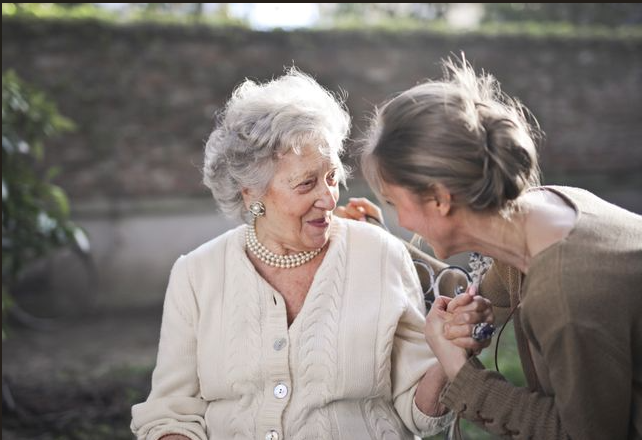
One of the most valuable learning experiences in senior communities comes from interactions between residents and younger generations. Many communities organize intergenerational programs in which high school or college students visit to provide technology support while residents share life experiences, career knowledge, historical perspectives, or creative skills.
These exchanges benefit everyone involved. Young people gain guidance and insight from individuals with decades of personal and professional experience, while older adults remain intellectually engaged through teaching and meaningful conversation. Some communities establish partnerships with local schools and universities, creating recurring programs that encourage continued learning and relationship-building.
TerraBella Shelby offers assisted living services that incorporate intergenerational opportunities into community life, giving residents meaningful ways to connect with people of different age groups in a supportive and enriching setting.
These relationships can also help reduce feelings of isolation while reinforcing the idea that learning and personal growth continue throughout every stage of life.
Providing Access to Digital Learning Resources
As online education becomes increasingly accessible, senior communities are helping residents take advantage of digital learning opportunities. Many communities provide access to online educational platforms that offer courses on topics ranging from history and gardening to photography and personal enrichment.
Team members and volunteers often assist residents with setting up accounts, learning how to use devices, and addressing technical challenges that might otherwise discourage participation. An older adult who has little experience with technology can begin with an introductory computer class before progressing to online courses that match their interests.
This step-by-step approach supports both confidence and digital literacy. By helping residents become comfortable with technology, communities make it easier for them to access educational resources, virtual lectures, discussion groups, and other opportunities that support lifelong learning.
Removing technical barriers ensures that older adults can continue exploring new interests regardless of their level of experience with computers, tablets, or smartphones.
Supporting Personal Projects and Creative Pursuits
Senior communities understand that learning extends beyond formal classes. Many residents find fulfillment through personal projects, creative expression, and collaborative endeavors that encourage continued growth and self-discovery.
Communities often provide dedicated spaces, materials, and support networks for hobbies and creative interests. Residents may participate in painting groups, craft workshops, writing clubs, music programs, gardening projects, or film discussion groups. These opportunities provide cognitive stimulation while encouraging creativity and personal expression.
Collaborative projects can be especially rewarding. Residents may work together to create a community cookbook, produce a newsletter, organize a photography display, or host an art exhibition featuring resident-created works. These shared efforts foster connection while allowing individuals to contribute their talents and perspectives.
Seeing their work appreciated by others can strengthen residents’ sense of purpose and reinforce the value of their contributions within the community.
Encouraging Peer Teaching and Mentorship Roles
Many senior communities encourage residents to share their knowledge with one another through peer-led workshops and mentorship opportunities. This approach transforms learning into a community-wide experience where everyone has the opportunity to contribute and grow.
A retired engineer might present a discussion on sustainable living, while a former educator leads a writing workshop. Residents with experience in finance, gardening, music, travel, or other subjects can share their expertise in ways that benefit fellow community members.
Peer teaching provides value on both sides of the learning experience. Those leading programs often enjoy a renewed sense of purpose and engagement, while participants benefit from instruction delivered by trusted peers who understand their experiences and interests.
Some communities also develop mentorship opportunities where residents can seek guidance on specific topics, from financial planning to adapting to community life. This culture of shared learning reinforces the idea that every individual has valuable knowledge and experiences worth sharing.
Conclusion
Senior communities that support lifelong learning create environments where residents continue to grow intellectually, emotionally, and socially throughout their later years. Through educational programs, intergenerational connections, digital learning resources, creative pursuits, and peer-led learning opportunities, these communities demonstrate that growth does not have an age limit. Instead, they provide the support, encouragement, and resources that help older adults continue exploring new ideas and developing existing interests. When lifelong learning is woven into everyday community life, residents often experience stronger social connections, greater engagement, and a deeper sense of purpose. These communities show that learning remains a valuable and rewarding part of life at every stage.
