

Education years play a crucial role in shaping an individual’s educational journey, providing the foundation for both personal growth and professional success. From the earliest days in preschool to the advanced years of higher education, each stage of education contributes unique learning milestones that influence skills, knowledge, and overall development. Understanding the concept of education years helps students, parents, and educators recognize the importance of structured learning and plan effectively for future goals.
Across the world, education years can vary significantly depending on the country’s schooling system, curriculum, and cultural emphasis on education. For instance, some countries may have longer primary and secondary education periods, while others emphasize vocational training or early specialization. These differences affect how students progress through each stage of education, making it essential to consider both local and international perspectives.
By examining education years, we can appreciate the journey of learning, the milestones achieved at every stage, and the lasting impact on an individual’s personal and professional life. Whether you are starting your educational journey or planning lifelong learning, understanding these years provides clarity and direction for growth.
What Are Education Years?

Education years refer to the total period a person spends in formal learning, from early childhood through higher education. These years are more than just numbers—they represent a structured journey where knowledge, skills, and personal development are built step by step. Each year of education is a milestone in an individual’s educational journey, contributing to cognitive growth, social development, and career readiness.
Typically, education years are divided into different stages, such as early childhood, primary, secondary, and higher education. Early years focus on foundational skills like language, numeracy, and social interaction. Primary and secondary education expand on these basics, introducing critical thinking, problem-solving, and more specialized subjects. Higher education or vocational training provides advanced knowledge and practical skills necessary for professional life. These stages collectively form the framework of a person’s learning milestones, guiding them toward future opportunities.
It is important to note that education years vary around the world. In some countries, students may spend more years in secondary school, while in others, vocational programs or apprenticeships shorten formal education but offer specialized skills. The concept of education years is therefore flexible, reflecting cultural, economic, and policy differences while maintaining the core objective of equipping individuals with the knowledge and skills they need.
Understanding education years helps students, parents, and educators plan more effectively, ensuring that each stage of learning is meaningful and impactful. Recognizing the purpose of each year allows individuals to maximize their educational journey and lay a strong foundation for lifelong growth.
Importance of Education Years
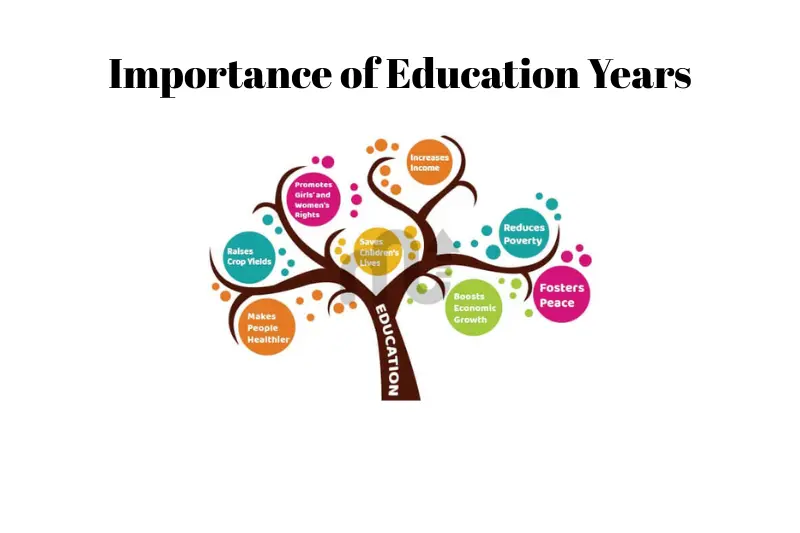
Education years are far more than a formal requirement—they are the backbone of personal development, career readiness, and societal progress. Each year spent learning contributes to building knowledge, critical thinking, and essential life skills. These learning milestones collectively shape an individual’s ability to navigate complex challenges, make informed decisions, and pursue meaningful opportunities in both personal and professional spheres.
From a personal development perspective, education years cultivate curiosity, creativity, and emotional intelligence. Early years in school lay the groundwork for literacy, numeracy, and social interaction, while later years develop analytical thinking, problem-solving, and specialization in areas of interest. For young adults, higher education years provide deeper knowledge and professional skills, helping them establish a strong career foundation. In essence, every year of education strengthens an individual’s capacity to grow, adapt, and contribute to society.
Professionally, education years often correlate with career opportunities and earning potential. Research consistently shows that individuals who complete more years of formal education tend to have access to higher-paying jobs, leadership roles, and specialized fields. Beyond the workplace, education years influence personal choices, including health, civic engagement, and lifelong learning habits, demonstrating that the impact of these years extends far beyond academics.
Globally, the significance of education years is recognized in policies and programs designed to improve learning outcomes. Countries invest in increasing access to quality education, understanding that each additional year contributes to societal development and economic growth. By acknowledging the value of education years, students and educators can make informed decisions, ensuring that each stage of education is maximized to achieve long-term goals.
In summary, education years are not just a measure of time—they are milestones in an educational journey that shape personal growth, professional success, and societal progress. Valuing and optimizing these years ensures that learning is meaningful, impactful, and aligned with lifelong development.
Education Years by Stage
Education years can be divided into distinct stages, each with its own learning milestones and objectives. Understanding these stages helps students, parents, and educators make the most of every year in the educational journey.
Early Childhood Education Years
The early years, including preschool and kindergarten, focus on foundational skills. Children develop basic literacy, numeracy, and social abilities, laying the groundwork for lifelong learning. These formative years encourage curiosity, creativity, and emotional development, establishing essential learning habits that will benefit students throughout their educational journey.
Primary Education Years
Primary education, often covering ages 6 to 12, emphasizes core subjects such as reading, writing, mathematics, and science. Beyond academics, students learn teamwork, communication, and problem-solving skills. Each year in primary school marks significant learning milestones that prepare children for more complex concepts and critical thinking in the next stage of education.
Secondary Education Years
Secondary education, typically from ages 12 to 18, allows students to expand their knowledge and begin specializing in areas of interest. This stage focuses on analytical thinking, research skills, and real-world application of knowledge. Exams, projects, and extracurricular activities help shape well-rounded individuals ready for higher education or vocational pathways.
Higher Education Years
Higher education includes college, university, and vocational training. These years refine professional skills, encourage independent learning, and provide specialized knowledge in chosen fields. Higher education years play a critical role in career readiness and personal growth, helping students transition from structured learning to practical, real-world experiences.
Across all these stages, education years contribute to a structured educational journey filled with meaningful learning milestones. Recognizing the purpose and impact of each stage ensures that every year of education is used effectively, building a strong foundation for lifelong success.
Global Differences in Education Years
Education years vary significantly across countries, reflecting cultural priorities, government policies, and economic factors. While the concept of structured learning is universal, the duration and stages of education differ, creating unique educational journeys and learning milestones for students worldwide.
For example, in countries like the United States, students typically complete 12 years of primary and secondary education, followed by 2 to 4 years in higher education. In contrast, some European countries, such as Germany, emphasize vocational training, allowing students to enter specialized programs earlier, which shortens formal education years but provides focused professional skills. Similarly, in countries like Japan and South Korea, students experience longer school hours and additional years of formal education, reflecting a strong cultural emphasis on academic achievement.
Global differences in education years also influence access to learning opportunities. Some developing nations face challenges such as limited school availability, teacher shortages, or economic barriers, which can reduce the number of completed education years for many children. Organizations like UNESCO and the OECD monitor these disparities and provide guidance to improve learning outcomes and extend education years worldwide.
Understanding these variations is essential for students, parents, and educators, especially in an increasingly interconnected world. Students moving between countries or considering international higher education need to recognize how education years align or differ across systems. By examining these global trends, we can appreciate the diversity of educational journeys, identify learning milestones, and recognize the broader impact of education years on personal growth and career opportunities.
In conclusion, while the number of education years may vary, the core purpose remains the same: to equip individuals with knowledge, skills, and experiences that prepare them for lifelong success. Recognizing global differences allows for informed decisions, better planning, and a more comprehensive understanding of education’s value.
Tips to Make the Most of Your Education Years
Education years are a valuable opportunity to build knowledge, skills, and experiences that shape your future. Making the most of each stage of your educational journey requires intentional effort, strategic planning, and a focus on meaningful learning milestones.
- Set Clear Goals for Each Stage
Understanding what you want to achieve during your primary, secondary, or higher education years helps you stay focused. Whether it’s mastering core subjects, exploring extracurricular activities, or preparing for college or vocational training, having clear goals ensures that every year contributes to your personal and professional growth. - Embrace Lifelong Learning
Education years are not limited to formal schooling. Pursuing learning outside the classroom—through reading, online courses, volunteering, or skill-building workshops—can enhance your educational journey and create additional learning milestones. Lifelong learning encourages adaptability and prepares you for a rapidly changing world. - Balance Academics and Extracurriculars
Participation in sports, arts, clubs, and community activities complements academic learning. These experiences develop teamwork, leadership, and problem-solving skills, making education years more holistic and impactful. - Seek Guidance from Mentors and Educators
Teachers, mentors, and academic advisors provide valuable insights, helping you navigate each stage of education effectively. Their guidance can optimize your learning milestones and ensure you are making the most of your education years. - Reflect and Adapt
Regularly evaluating your progress allows you to adjust strategies, focus on areas that need improvement, and celebrate achievements. Reflection ensures that education years are productive and meaningful.
By following these tips, students can maximize the value of their education years, turning each stage into a purposeful journey filled with growth, skills, and lifelong opportunities. Recognizing and leveraging learning milestones ensures that every year contributes to a strong foundation for future success.
FAQs About Education Years
How many education years are ideal for career success?
While it depends on the profession and country, completing primary, secondary, and higher education typically provides a strong foundation. Additional vocational training or higher degrees can further enhance career opportunities.
What is the difference between formal and informal education years?
Formal education years refer to structured schooling like primary, secondary, or higher education, while informal education includes learning outside classrooms, such as workshops, online courses, or self-study. Both contribute to lifelong learning.
Can education years predict future earnings?
Research shows a positive correlation between higher education years and earning potential. However, skills, experience, and personal growth also play crucial roles in professional success.
Do education years vary across countries?
Yes. Different countries have varying schooling systems, durations, and educational priorities. Understanding these differences is essential for students pursuing international education or careers.
How can I make the most of my education years?
Set clear goals, engage in lifelong learning, balance academics with extracurriculars, seek guidance from mentors, and regularly reflect on your progress to maximize the value of every year.
Conclusion
Education years are much more than the number of school days or academic programs completed—they represent a structured journey filled with learning milestones that shape personal growth, professional readiness, and lifelong opportunities. From early childhood to higher education, each stage contributes unique skills, knowledge, and experiences that prepare individuals to thrive in an ever-changing world.
Recognizing the importance of education years allows students, parents, and educators to plan effectively, maximize learning outcomes, and create meaningful educational journeys. Whether through formal schooling, extracurricular activities, or lifelong learning, valuing each year ensures that your educational journey is both impactful and rewarding. By understanding the stages, global variations, and strategies to make the most of education years, individuals can confidently navigate their path toward personal and professional success.
