

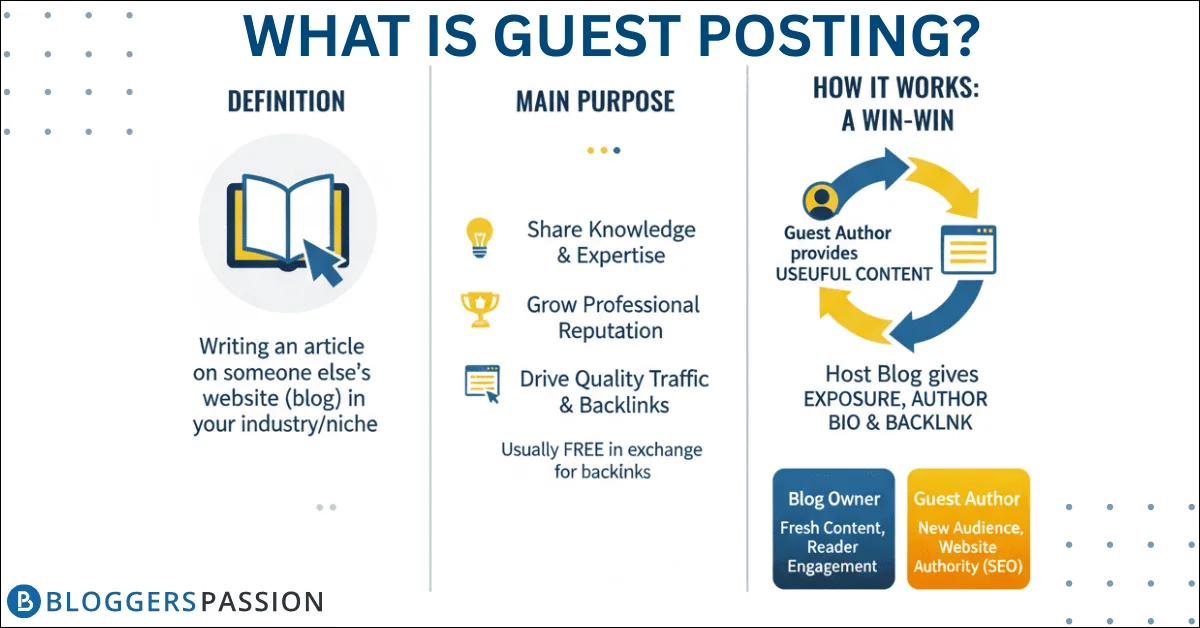
Writing for another website can be a useful way for educators, students, and education-focused organisations to share practical knowledge beyond their usual audience. A well-planned guest post may explain a study strategy, clarify a career pathway, or offer lessons from a classroom project. The value, however, comes from the usefulness of the article—not simply from having a byline on another site. Treating guest posting as a form of educational communication helps writers create work that readers and editors can trust.
Start With the Reader, Not the Placement
Before looking for a publisher, decide who the article should help and what they should be able to do after reading it. “Write about online learning” is too broad to guide a strong article. A more focused aim might be explaining how students can organise notes for a blended course, or helping new teachers set boundaries around after-hours communication. A clear audience and purpose make it easier to choose a suitable publication and avoid producing a generic piece.
Consider the reader’s context, too. Advice for a high school student may not work for a working adult returning to education. A school leader may need examples about staffing and implementation, while a teacher may prefer classroom-level steps. If the subject involves research, policy, or student wellbeing, distinguish established findings from personal experience and avoid presenting a single example as a universal rule.
Find a Genuine Editorial Fit
Make a shortlist of websites that already publish material related to your topic. Read several recent articles rather than relying only on a site’s description. Notice its typical reader, article length, use of evidence, tone, and the kinds of questions its writers answer. A good match is a publication where your proposed article adds something its audience needs—not merely a site with a large reach.
Review submission instructions before pitching. Some editors accept complete drafts; others want a short outline or a few topic ideas. Check whether they accept outside contributors, whether they require original work, and whether they allow links in a byline or article. A practical guest posting guide can help writers map the process, but each publication’s own requirements should take priority.
Pitch a Specific, Useful Idea
An effective pitch is brief and tailored. It should identify the proposed topic, explain why it suits that publication, and describe what readers will learn. Instead of sending “I would like to write about teaching,” offer a concrete angle such as a framework for giving feedback on student presentations when class time is limited. Mention relevant experience accurately, but let the proposed value of the article do most of the work.
Avoid sending the same vague pitch to dozens of editors. Keep a simple record of the publication, editor, idea, date sent, and response. If there is no reply, follow the site’s stated follow-up guidance rather than repeatedly contacting the editor. Respectful communication is part of professional writing, and an unanswered pitch is not permission to submit a finished article elsewhere if the publication has asked for exclusivity.
Build the Draft Around Evidence and Examples
Once an idea is accepted, create a clear structure before drafting. An introduction should establish the problem without delaying the useful material. Each section should advance the answer, and examples should make the advice concrete. For instance, an article about helping students plan a research assignment could show how a broad question becomes a manageable weekly schedule. Keep examples anonymised and do not include identifiable student information without appropriate permission.
Check facts, dates, and terminology, especially when discussing admissions, qualifications, technology, or education policy. Link claims to dependable sources when the publication allows it, and make clear when a recommendation is based on your own practice rather than formal evidence. A confident tone cannot compensate for an unsupported claim. Editing for plain language also matters: explain specialist terms, remove repeated points, and make each paragraph easy to follow.
Use Support Without Losing Editorial Control
Some writers work alone; others seek help with research, proofreading, design, or formatting. If you bring in a freelancer, define the task clearly and retain responsibility for accuracy, originality, permissions, and the final submission. A marketplace such as Osdire connects buyers and freelancers across categories including writing and translation, design, and research-adjacent technical services. Its flat pricing and payment hold-and-release process may be relevant when arranging a defined project, but the writer or commissioning organisation still needs to review the work carefully.
Do not outsource the editorial judgement that makes a guest article trustworthy. A contractor can help polish a draft, but you should verify every factual statement, confirm that any images or quotations can be used, and ensure the piece reflects the publication’s audience. Agree on scope and deadlines in advance, and avoid sharing confidential student or institutional information unnecessarily.
Revise, Submit, and Learn From the Outcome
Before submission, compare the draft with the editor’s brief and the site’s guidelines. Check length, headings, citations, author details, and any requested disclosures. Read the article aloud to catch awkward transitions and remove material that serves the writer more than the reader. If an editor requests changes, respond to the substance of the feedback and ask a concise question when an instruction is unclear.
After publication, share the article with the people who would genuinely benefit from it. Review reader responses and referral information if available, but do not judge success only by traffic or backlinks. A useful question is whether the post clarified an issue, prompted a constructive discussion, or gave readers a next step they could apply. That feedback can shape a stronger future pitch.
Conclusion
Guest posting works best as a deliberate act of teaching: identify a real need, choose the right audience, support the advice, and respect the editor’s process. A careful workflow also protects the writer’s credibility and the publication’s trust with its readers. Whether you are sharing classroom experience or explaining an education resource, usefulness and accuracy should remain the measure of a successful contribution.
