

Speech Sound Therapy Resources: Activities to Help Children Improve Pronunciation
A set of picture cards can become a treasure hunt, a matching game or a story about a very hungry teddy. The pictures may stay the same, but changing the activity gives a child another reason to join in.
Useful speech sound therapy resources make this possible while keeping practice connected to a clear goal. For children receiving support, that goal should come from their speech-language pathologist. Parents, caregivers and educators can then use the recommended materials without turning every conversation into a pronunciation lesson.
Start With the Child’s Speech Goal
Speech sound development in children involves learning to produce sounds and use them within words. Some sound changes occur during development. Others need closer assessment, particularly when speech is difficult to understand or communication becomes frustrating.
Speech sound disorders in children can involve difficulties producing particular sounds or patterns affecting several sounds. These are not the same as having a regional accent or speaking more than one language.
Speech sound therapy for children should therefore begin with an individual assessment. Ask which sound or pattern to practise, which words to use and what help to offer. A worksheet labelled with a letter is not enough to make those decisions.
Choose Materials That Match the Task
A child practising a sound in single words needs different material from one using that sound in sentences. Its position matters too: the beginning, middle or end of a word can change the difficulty.
Look for familiar pictures, clear instructions and a manageable number of items. Speech sounds and letter names are different, so check the intended sound rather than relying only on alphabet labels.
These details make articulation therapy activities easier to adapt. They also help adults avoid selecting impressive-looking tasks that do not match the child’s current goal.
Four Ways to Use Speech Sound Therapy Activities
Use these ideas with words and instructions recommended by the child’s therapist.
Picture Treasure Hunt
Place a few target pictures around the room. Take turns finding them and naming what appears, using the level of support already demonstrated in therapy.
Keep the search simple. The point is to create an enjoyable opportunity for practice, rather than make finding the cards the hardest part.
Matching Pairs
Use two copies of the selected pictures. Turn over a small selection and look for pairs together.
When a picture appears, model its name or invite the agreed practice attempt. Speech sound therapy games should still allow a child to enjoy their turn, even when a word is difficult.
Build a Silly Scene
Arrange pictures into a scene: perhaps a sock on a sofa or a monkey holding a mug. Let the child choose what happens next.
If phrases are part of the therapy plan, use the target word in a short phrase. Otherwise, stay with single words. Longer sentences are not automatically better practice.
Listen and Choose
Some therapy plans include listening for differences between words. Use only the word pairs and instructions selected by the therapist.
For example, the child might point to the picture they hear. This is different from asking them to produce the word. The adult needs to know which skill the task is practising.
Make Online Materials Part of Shared Play
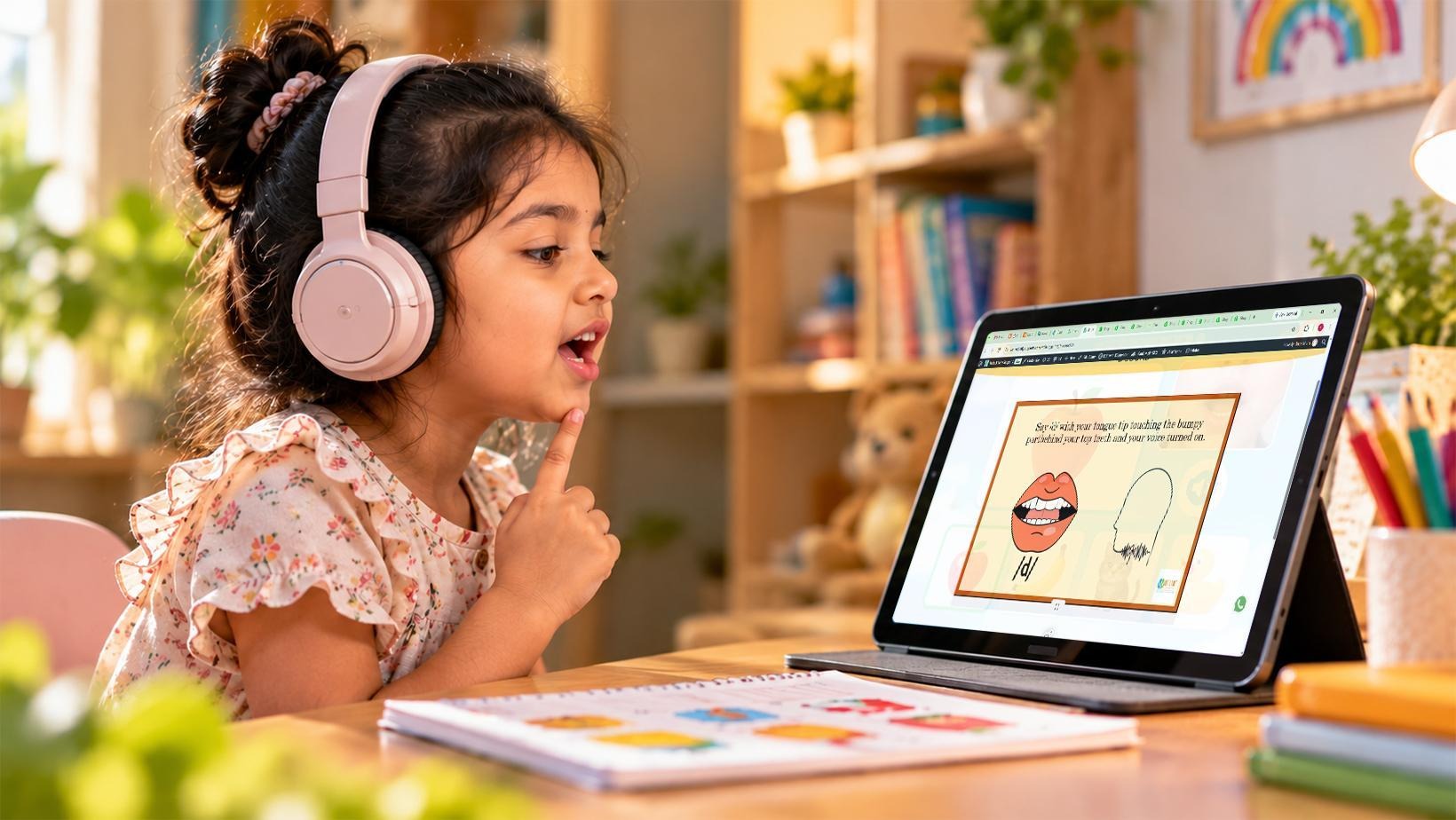
Online speech therapy materials can provide pictures without needing a new set of physical cards for every activity. Sit alongside the child and use the screen as something to talk about together.
Walnut Early Supports’ speech-sound resource collection includes articulation and phonology materials, with resources organised around sounds and word positions.
Its broader library of child development therapy resources also covers language, cognition and other learning areas. Choose materials for the agreed goal, rather than expecting every activity to address pronunciation.
Keep Practice Comfortable and Share What You Notice
Pronunciation practice for kids should leave room for communication. Follow the therapist’s guidance on feedback and repetitions, and pause if the child becomes tired or upset.
Notice what helps: a particular picture, a model of the word or an easier task. Share those observations at the next appointment instead of simply reporting how many pages were completed.
If a child has not been assessed and you are concerned about their speech, seek advice from a qualified speech-language pathologist. Resources can support an individual plan; they cannot diagnose a difficulty or guarantee a result.
