

When a patient receives care from a healthcare professional, that interaction often represents years of focused, specialized training. The quality of that care depends heavily on the depth and relevance of the education behind it. Specialized health education goes far beyond basic medical knowledge, equipping professionals with the advanced skills, current research insights, and practical expertise needed to address complex health conditions and deliver evidence-based treatment. Understanding why this specialized training matters reveals how it shapes patient outcomes, advances entire fields of medicine, and builds public trust in healthcare systems.
The Foundation of Clinical Excellence
Specialized health education creates professionals who can diagnose and treat conditions with precision and confidence. A cardiologist completes additional years of training beyond medical school to master cardiac imaging, interventional procedures, and the latest pharmaceutical treatments for heart disease. This focused expertise allows them to recognize subtle symptoms that a generalist might miss and implement treatment strategies tailored to each patient’s unique cardiovascular profile. Without this specialized knowledge, patients would receive less precise care, and conditions would be diagnosed later or managed less effectively.
The depth of specialized education also means that healthcare professionals stay current with rapid changes in their field. Medical knowledge evolves constantly as new research emerges, new technologies become available, and treatment protocols shift based on clinical evidence. Specialized programs require ongoing continuing education and training updates, ensuring that professionals do not rely on outdated information. For example, oncologists must stay informed about newly approved cancer drugs and immunotherapy techniques that can dramatically improve survival rates. This commitment to continuous learning directly translates into better patient care and improved treatment outcomes.
Meeting Complex Patient Needs
Many patients today live with multiple chronic conditions or rare diseases that demand sophisticated, coordinated care. A patient with diabetes might develop complications affecting their kidneys, eyes, and cardiovascular system simultaneously. Specialized health professionals in nephrology, ophthalmology, and cardiology each bring deep expertise to their part of the treatment puzzle. Without specialized education in their respective fields, these professionals could not provide the nuanced care necessary to manage these interconnected health challenges effectively and safely.
Rare and complex conditions particularly depend on specialized expertise. Genetic disorders, autoimmune diseases, and certain cancers affect relatively small populations, yet they demand professionals who have studied these conditions extensively and accumulated years of clinical experience. General practitioners, despite their broad knowledge, cannot develop the depth of expertise needed to manage every possible rare condition effectively. Specialized health education programs ensure that professionals exist who can guide patients through diagnosis, explain their condition thoroughly, and recommend appropriate treatment options.
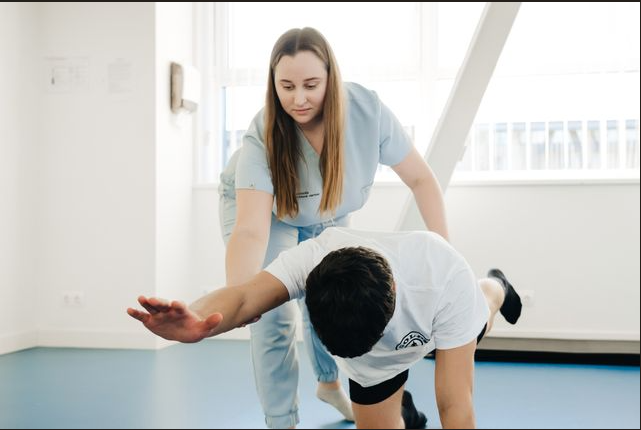
This access to specialized expertise can be life-changing for patients who might otherwise struggle to find knowledgeable care. In musculoskeletal care, for instance, athletes and active individuals dealing with overuse injuries often rely on intensive physical therapy for shin splints to restore function and prevent recurrence through targeted, evidence-based rehabilitation protocols. The presence of trained specialists across a wide range of disciplines ensures that patients at every level of complexity receive appropriate, informed care rather than generalized treatment that may fall short of their needs.
Advancing Medical Research and Innovation
Specialized health education produces professionals equipped to conduct research that pushes medicine forward. These educated specialists understand research methodology, can interpret complex data, and possess the theoretical knowledge necessary to investigate new treatments and technologies. A researcher in neurology with extensive specialized training can design studies examining how new drugs might help Alzheimer’s patients, contributing to innovations that benefit millions. Without professionals trained at this advanced level, the pace of medical innovation would slow dramatically, and patients would wait longer for breakthrough treatments.
Professional specialization also creates communities of experts who share knowledge, debate findings, and hold each other accountable to high standards. These specialists attend conferences, publish research findings, and collaborate across institutions to solve difficult clinical problems. The resulting networks accelerate the dissemination of new information throughout the healthcare system. When one specialized team discovers an effective new treatment approach, other specialists in that field quickly learn about it and can implement it in their own practices. This interconnected network of specialized professionals ensures that advances benefit patients more quickly than they would in a less coordinated system.
Building Patient Safety and Trust
Patients deserve confidence that their healthcare provider has the training and credentials necessary to manage their specific health concerns competently. Specialized health education involves rigorous credentialing, board certification, and ongoing evaluation to ensure that professionals meet high standards. These requirements protect patients by filtering out individuals who do not meet established competency benchmarks. When patients know that their surgeon has completed fellowship training in their specific surgical specialty, they can trust that this professional has performed hundreds or thousands of procedures similar to theirs.
Trust in healthcare is also built through the demonstrated expertise that specialized education provides. Professionals who can explain their specialized training and discuss the latest research in their field communicate competence and commitment to their patients. Patients feel more confident in treatment plans when they understand that their healthcare provider has deep knowledge about their specific condition and has kept current with the latest developments. This trust facilitates better communication between patients and providers, leads to higher treatment compliance, and ultimately produces better health outcomes. Specialized education thus serves not only to improve actual care quality but also to build the psychological foundation of confidence that helps patients fully engage in their own health management.
Supporting Public Health Infrastructure
Organized public health efforts, from disease surveillance to emergency response, depend on professionals with specialized training in epidemiology, biostatistics, and infectious disease management. During health crises, specialized professionals who understand disease transmission, vaccination strategies, and population-level interventions become essential to protecting community health. Without specialized education in these fields, public health agencies would lack the expertise needed to respond effectively to outbreaks or coordinate prevention efforts. The infrastructure that keeps communities healthy and safe rests on the specialized knowledge of trained professionals.
Conclusion
Specialized health education represents an investment in the quality, safety, and advancement of the entire healthcare system. It ensures that complex patient needs receive expert attention, that medical innovation continues moving forward, and that patients can trust the professionals providing their care. The rigorous training, ongoing education, and credentialing requirements that characterize specialized health programs create professionals capable of delivering excellent care and contributing to medical progress. As healthcare challenges grow more complex and medical knowledge continues to expand rapidly, the importance of specialized health education only increases. Patients, healthcare systems, and society as a whole benefit profoundly from professionals who have committed to developing deep expertise in their chosen medical field.
