


Introduction
If you’re considering a career in healthcare that combines technology, patient care, and a steady demand for skilled professionals, x ray tech education might be the perfect path for you. Radiologic technologists play a crucial role in diagnosing medical conditions, and proper training ensures they can perform imaging procedures safely and accurately. Choosing the right program can make all the difference, whether you’re pursuing radiologic technology programs, x ray technician training, or specialized radiology tech courses.
This guide will walk you through everything you need to know about becoming a certified x ray technician. From understanding the types of educational programs available to learning about essential skills, certifications, and career opportunities, we’ll cover it all. By relying on accredited programs and expert advice, you can ensure your education is not only thorough but also recognized in the healthcare industry. With the right training, you’ll gain the knowledge and confidence needed to start a rewarding career as a radiologic technologist.
What is X Ray Tech Education?

X ray tech education is the foundation for anyone looking to become a skilled radiologic technologist. It combines classroom instruction, hands-on training, and clinical experience to prepare students to safely operate imaging equipment, understand human anatomy, and assist in diagnosing medical conditions. This type of education is not just about learning how to take images—it’s about ensuring patient safety, mastering imaging technology, and developing critical thinking skills necessary in medical settings.
Accredited radiologic technology programs provide structured learning paths that cover essential subjects like anatomy, physiology, radiation safety, and imaging techniques. Many programs also offer supervised clinical rotations in hospitals or clinics, giving students real-world experience under the guidance of experienced professionals. Additionally, x ray technician training often includes preparation for certification exams, such as those offered by the American Registry of Radiologic Technologists (ARRT), ensuring graduates meet industry standards.
Whether you choose a certificate, associate, or bachelor’s degree, completing high-quality radiology tech courses is the first step toward a rewarding and in-demand career in medical imaging.
Steps to Become an X Ray Technician
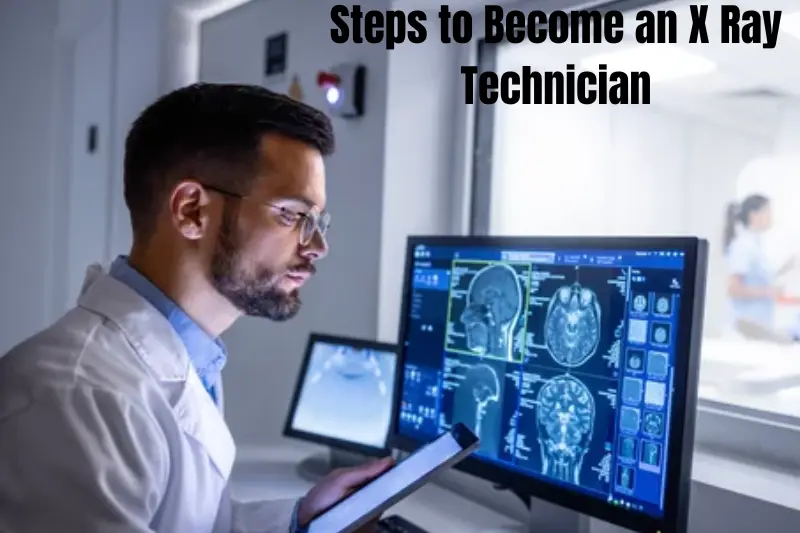
Becoming a qualified radiologic technologist requires a combination of education, training, and certification. By following a structured path, you can ensure you’re prepared for a rewarding career in medical imaging. Here’s a step-by-step guide to help you navigate x ray tech education and training.
- Complete High School Requirements
Most programs require a high school diploma or GED, with courses in biology, chemistry, and mathematics providing a solid foundation. - Enroll in Accredited Radiologic Technology Programs
Choose a program accredited by the Joint Review Committee on Education in Radiologic Technology (JRCERT). These programs—whether certificate, associate, or bachelor’s degrees—cover essential topics such as anatomy, physiology, imaging techniques, and radiation safety. - Gain Clinical Experience
Hands-on training is crucial. During clinical rotations, students apply classroom knowledge in real healthcare settings under the supervision of experienced radiology professionals. - Pass Certification Exams
Most employers require certification from the American Registry of Radiologic Technologists (ARRT). Certification ensures you meet industry standards and are prepared to perform imaging procedures safely and effectively. - Pursue Continuing Education
Even after entering the workforce, staying updated through additional radiology tech courses and training keeps your skills current and enhances career advancement opportunities.
Following these steps ensures you’re fully prepared for a professional and successful career in radiologic technology.
Types of X Ray Tech Programs
When it comes to x ray tech education, there are several program options, each designed to meet different career goals and timelines. Understanding the differences can help you choose the path that fits your needs and ensures you receive a high-quality education.
- Certificate Programs
Certificate programs are usually the shortest option, often lasting 12 to 18 months. They are ideal for students who already have some healthcare experience and want focused x ray technician training. These programs emphasize practical skills and clinical experience, preparing graduates to take certification exams quickly. - Associate Degree Programs
Associate degrees typically take two years to complete and are the most common route to becoming a radiologic technologist. In addition to clinical training, these programs include general education courses, providing a broader foundation in healthcare. Graduates are eligible for certification through the American Registry of Radiologic Technologists (ARRT). - Bachelor’s Degree Programs
Bachelor’s programs last around four years and offer more in-depth study, including advanced imaging techniques and leadership or management courses. They are excellent for students aiming for specialized roles or future advancement in radiology. - Online and Hybrid Options
Some accredited programs offer online or hybrid courses, allowing students to complete theoretical coursework remotely while attending clinical rotations in person. These options provide flexibility without compromising the hands-on experience necessary for certification.
No matter which path you choose, enrolling in accredited radiology tech courses ensures you gain the knowledge, skills, and credentials needed to succeed as a radiologic technologist.
Skills and Knowledge You Gain
Completing x ray tech education equips you with a unique combination of technical expertise and patient care skills that are essential for a successful career in radiology. Through comprehensive radiology tech courses and hands-on clinical training, students develop the abilities needed to perform imaging procedures safely and accurately.
- Medical Imaging Techniques
Students learn how to operate various imaging equipment, including X-ray machines, CT scanners, and MRI devices. Understanding proper positioning and imaging protocols ensures high-quality results while minimizing patient exposure to radiation. - Anatomy and Physiology Knowledge
A deep understanding of human anatomy and physiology allows radiologic technologists to capture precise images and assist healthcare teams in diagnosing conditions effectively. - Patient Care and Communication
Radiology professionals must interact with patients of all ages and medical conditions. Education emphasizes empathy, clear communication, and safety procedures to provide the best patient experience. - Radiation Safety and Protection
Managing exposure is critical. X ray tech education teaches safety measures to protect both patients and technologists from unnecessary radiation.
By completing accredited radiologic technology programs, you gain the skills, knowledge, and confidence to excel in medical imaging while adhering to professional and ethical standards.
Career Opportunities and Salary
One of the most rewarding aspects of completing x ray tech education is the variety of career opportunities available in healthcare. Radiologic technologists are in high demand, and their expertise is essential in hospitals, outpatient clinics, diagnostic centers, and specialty medical practices.
- Job Opportunities
After completing accredited radiologic technology programs and earning certification, you can pursue roles such as:
- X ray technician
- CT or MRI technologist
- Mammography technologist
- Interventional radiology assistant
- Salary Expectations
The average salary for a radiologic technologist varies by location, experience, and specialization. Entry-level positions typically start around $50,000 annually, while experienced technologists or those in specialized imaging fields can earn upwards of $75,000 or more. - Career Growth and Advancement
With additional radiology tech courses or advanced certifications, radiologic technologists can move into supervisory or management positions, become educators, or specialize in areas like MRI or nuclear medicine imaging. The field offers stable employment and strong growth prospects, making it an attractive choice for those seeking long-term careers in healthcare.
By pursuing high-quality x ray technician training, you position yourself for both professional success and the opportunity to make a meaningful impact on patient care.
Tips to Choose the Right Program
Selecting the right x ray tech education program is a crucial step in launching a successful career in radiology. The quality of your training can impact your skills, certification eligibility, and job opportunities. Here are some tips to help you make an informed choice:
- Check Accreditation
Always choose programs accredited by the Joint Review Committee on Education in Radiologic Technology (JRCERT). Accreditation ensures the program meets industry standards, prepares you for certification exams, and is recognized by employers. - Evaluate Clinical Experience Opportunities
Hands-on training is essential. Look for programs that provide ample clinical rotations in hospitals or clinics, giving you real-world experience under the supervision of experienced radiologic technologists. - Consider Program Format and Duration
Decide whether a certificate, associate, or bachelor’s degree aligns with your career goals. Some programs also offer online or hybrid options, providing flexibility while maintaining high-quality instruction. - Review Success Rates and Reputation
Research graduation rates, certification exam pass rates, and reviews from former students. Programs with strong outcomes often indicate better instruction and student support. - Seek Expert Guidance
Consult industry professionals, educators, or certified radiologic technologists for advice. Their experience can help you select programs that offer the best combination of education, training, and career preparation.
By following these tips, you can ensure your radiology tech courses provide the skills, knowledge, and credentials necessary for a rewarding career in medical imaging.
Frequently Asked Questions (FAQ)
Q1: How long does x ray tech education take?
The duration depends on the program. Certificate programs may take 12–18 months, associate degrees typically require 2 years, and bachelor’s degrees take around 4 years.
Q2: Can I become an x ray tech online?
Yes, some accredited programs offer online coursework for theory, combined with in-person clinical rotations to gain hands-on experience.
Q3: What is the difference between an x ray tech and a radiology tech?
The terms are often used interchangeably, but “radiology tech” can refer to professionals trained in multiple imaging modalities, including X-ray, MRI, or CT, while “x ray tech” usually focuses specifically on X-ray imaging.
Q4: Do I need certification to work as an x ray technician?
Most employers require certification from the American Registry of Radiologic Technologists (ARRT). Completing accredited radiology tech courses prepares you for this certification.
Q5: What skills will I gain from x ray tech education?
You’ll develop technical imaging skills, patient care abilities, knowledge of anatomy and physiology, and expertise in radiation safety. These skills prepare you for safe and effective clinical practice.
Conclusion
Pursuing x ray tech education is the first step toward a fulfilling career in medical imaging. Whether you choose a certificate, associate, or bachelor’s degree, accredited radiologic technology programs provide the knowledge, hands-on experience, and certification preparation necessary to excel as a radiologic technologist. By gaining technical skills, patient care expertise, and professional credentials, you position yourself for a career with strong job prospects, competitive salaries, and opportunities for growth. Start your journey today, and take the steps toward becoming a skilled, confident, and trusted member of the healthcare team.
