

Introduction
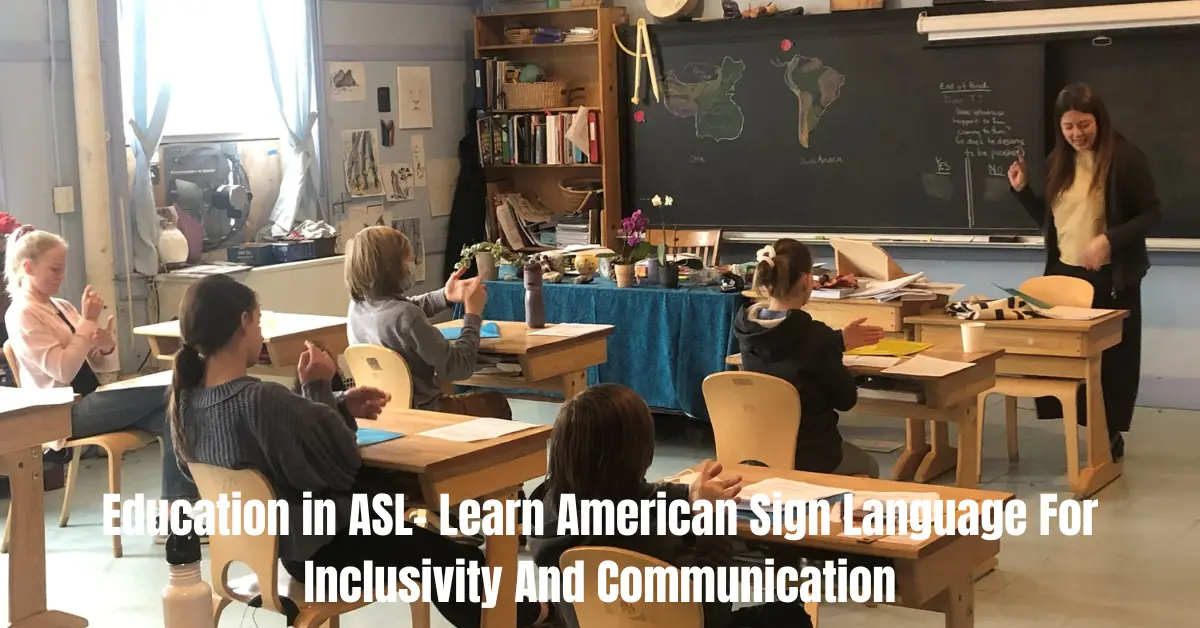
Education in ASL, or American Sign Language, is an essential part of building inclusive communities and accessible learning environments. ASL is not just a method of communication for the Deaf and hard-of-hearing; it is a rich language with its own grammar, culture, and history. Learning education in ASL opens doors to meaningful interactions, helps break communication barriers, and fosters understanding between hearing and Deaf individuals.
In today’s world, the importance of ASL education extends beyond personal enrichment. Workplaces are increasingly emphasizing diversity and accessibility, making ASL skills a valuable asset for professionals in healthcare, education, customer service, and social work. Communities benefit when more people are able to communicate inclusively, ensuring that everyone—regardless of hearing ability—can participate fully in social, educational, and civic activities.
By prioritizing education in ASL, learners not only acquire language skills but also embrace cultural awareness and empathy. Whether for personal growth, career advancement, or contributing to a more inclusive society, ASL education is becoming a vital part of modern learning.
What is ASL?
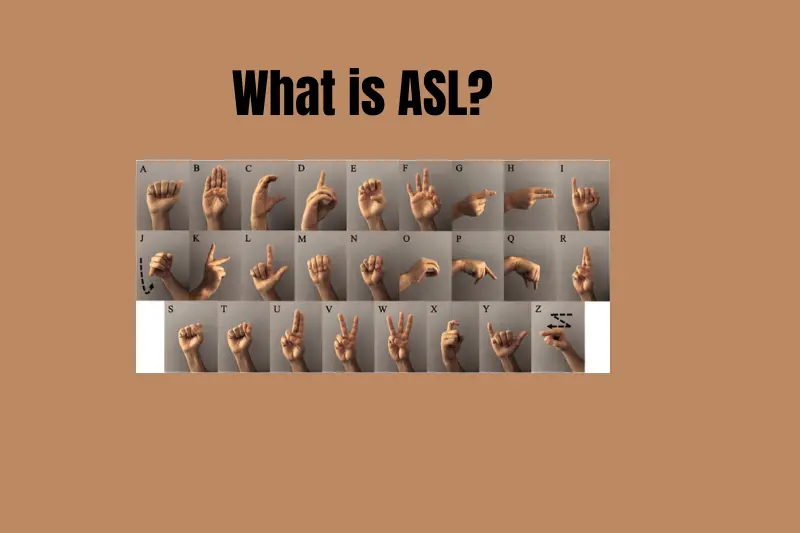
ASL, or American Sign Language, is a complete, natural language used primarily by the Deaf and hard-of-hearing community in the United States and parts of Canada. Unlike spoken English, ASL has its own grammar, syntax, and vocabulary, making it a unique and fully developed language. It uses hand shapes, movements, facial expressions, and body language to convey meaning, which allows for rich, expressive communication.
Learning ASL is not just about memorizing signs—it is about understanding a culture and a community. ASL plays a crucial role in education in ASL, helping students and professionals communicate effectively, promote accessibility, and foster inclusive environments. With the growing emphasis on diversity and inclusion, knowing ASL can be a valuable skill in workplaces, schools, and social settings.
By studying ASL, learners gain more than just language proficiency—they gain insight into Deaf culture, improve communication skills, and contribute to a society that values equal access and understanding for everyone.
Importance of ASL Education
Education in ASL is vital for creating an inclusive and accessible society. Learning ASL allows individuals to communicate effectively with the Deaf and hard-of-hearing community, breaking down barriers that often prevent equal participation in social, educational, and professional settings. In schools, incorporating ASL education helps students develop empathy, cultural awareness, and communication skills that are increasingly valued in today’s diverse world.
In the workplace, ASL skills can enhance career opportunities and improve customer service, especially in healthcare, education, social services, and public-facing roles. Organizations that prioritize ASL education demonstrate a commitment to inclusivity, making them more approachable and trusted by communities that rely on visual communication.
Beyond practical benefits, ASL education also fosters personal growth. It encourages understanding of Deaf culture, promotes social connection, and empowers individuals to advocate for accessibility and equality. As more people recognize the value of learning ASL, education in ASL is becoming an essential part of modern learning, helping society move toward greater inclusivity and mutual understanding.
Benefits of Learning ASL
Learning ASL offers numerous benefits that extend across personal, educational, and professional aspects of life. On a personal level, education in ASL enhances communication skills, fosters empathy, and strengthens connections with the Deaf and hard-of-hearing community. By understanding ASL and Deaf culture, individuals can engage more meaningfully in social interactions and create inclusive environments where everyone feels valued.
In education, ASL can support bilingual learning, improve cognitive flexibility, and encourage students to appreciate linguistic diversity. Schools that integrate ASL education provide students with unique opportunities to develop cultural competence and awareness, preparing them to thrive in diverse communities.
Professionally, ASL skills are increasingly in demand. Careers in healthcare, education, social services, and customer support benefit from employees who can communicate effectively with Deaf clients or colleagues. Knowing ASL not only improves workplace accessibility but also demonstrates a commitment to inclusivity, which can enhance an organization’s reputation and trustworthiness.
Overall, the benefits of learning ASL go beyond language acquisition. Education in ASL empowers individuals to connect, advocate, and contribute to a society that values equal access, understanding, and inclusivity.
How to Start Learning ASL
Getting started with education in ASL can be both exciting and rewarding. The first step is to find reliable resources that suit your learning style. Online courses, local community classes, and Deaf organizations often offer structured programs that teach foundational ASL vocabulary, grammar, and cultural nuances.
Practice is key. Engaging regularly with ASL videos, apps, and signing communities helps learners retain new signs and improve fluency. Joining Deaf meetups or conversation groups can provide real-world practice and allow learners to experience Deaf culture firsthand.
In addition, incorporating ASL into daily routines—such as labeling household items, practicing with friends, or using flashcards—can reinforce learning. For students and professionals, combining formal education with immersive experiences ensures a deeper understanding of both the language and the cultural context.
Starting with small, consistent steps allows anyone to make steady progress in ASL. With dedication, education in ASL not only improves communication skills but also fosters empathy, inclusivity, and meaningful connections with the Deaf and hard-of-hearing community.
Conclusion
Education in ASL is a powerful way to bridge communication gaps and promote inclusivity. Learning ASL not only enhances personal and professional growth but also deepens understanding of Deaf culture and the needs of the hard-of-hearing community. By embracing education in ASL, individuals can contribute to more accessible environments, stronger communities, and a society that values equal communication for all.
