

Education can sometimes feel like a maze for students, parents, and even teachers. That’s where an education walkthrough comes in—a simple, step-by-step guide that helps navigate classrooms, learning tools, and school systems with ease. Think of it as a roadmap that breaks down complex educational processes into manageable steps, making learning more accessible and effective.
Whether you’re a student trying to find the right resources, a teacher seeking ways to improve classroom engagement, or a parent supporting your child’s journey, understanding these walkthroughs can be a game-changer. From practical education tips to interactive classroom walkthroughs, these guides provide valuable insights into how learning happens and how to make it more productive.
Have you ever wished there was a clear learning guide to help you make the most of your study time or teaching strategies? With the right student resources, an education walkthrough can simplify challenges, save time, and enhance overall learning outcomes.
By the end of this article, you’ll have a clear understanding of what an education walkthrough is, why it’s important, and how to use it effectively to boost learning success.
What is an Education Walkthrough?
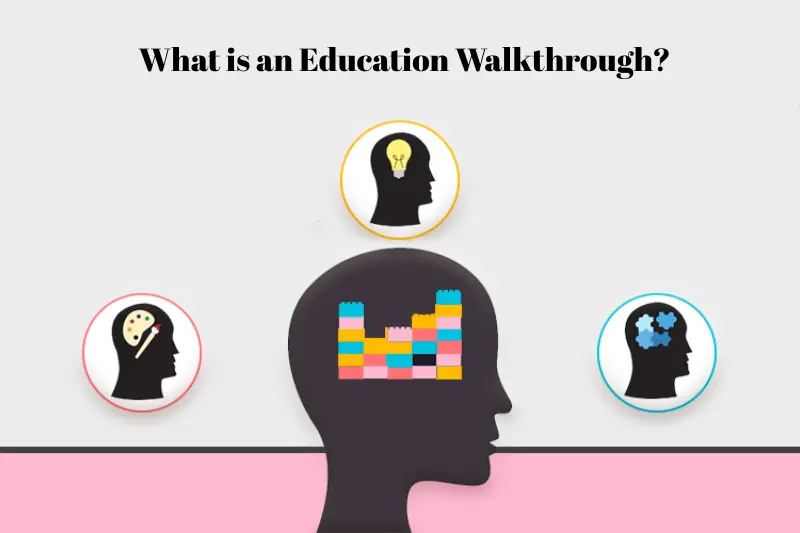
An education walkthrough is a structured approach that allows students, teachers, and parents to explore and understand the learning environment in a clear, step-by-step manner. Unlike a simple classroom visit, a walkthrough provides insights into teaching methods, learning strategies, and available resources. It’s like having a roadmap for education, making complex processes easier to follow and apply.
For teachers, an education walkthrough can serve as a tool for reflection and improvement. Observing classroom activities, student engagement, and lesson delivery helps educators identify what works well and what could be enhanced. Similarly, for students, it can act as a learning guide, highlighting effective study methods, classroom routines, and available student resources that support academic growth.
Parents also benefit from these walkthroughs, gaining a better understanding of how their children learn and how to reinforce lessons at home. By providing practical education tips and a clear view of a classroom walkthrough, the concept bridges gaps between teaching, learning, and parental support.
In short, an education walkthrough is not just a tool—it’s a strategy to make learning more transparent, effective, and engaging. Whether you are navigating school systems, exploring educational technologies, or seeking ways to enhance classroom interactions, a well-designed walkthrough can guide every step of the way.
Benefits of an Education Walkthrough
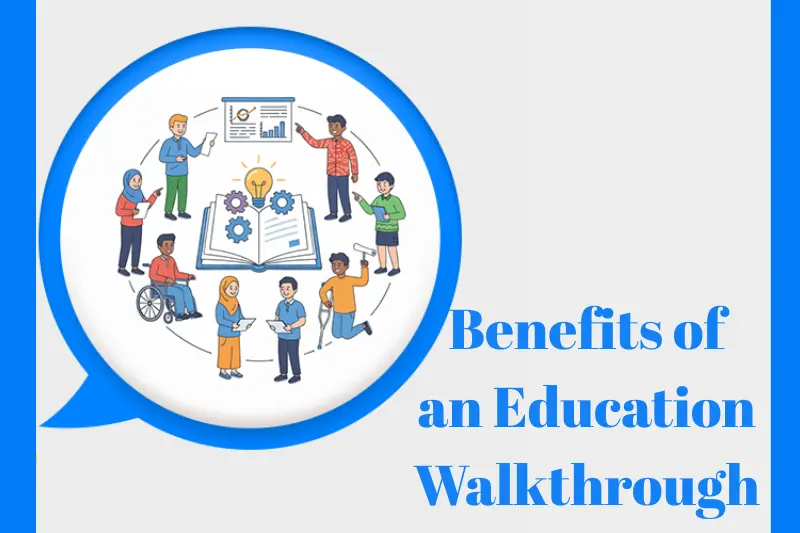
An education walkthrough offers numerous benefits for students, teachers, and parents alike, making it an essential part of modern learning environments. One of the primary advantages is clarity. By providing a structured overview of lessons, classroom dynamics, and available resources, walkthroughs help everyone understand the learning process more clearly. This makes it easier for students to follow along and for teachers to identify areas for improvement.
For students, a walkthrough acts as a practical learning guide, offering step-by-step strategies to succeed academically. It highlights useful student resources, effective study habits, and tips for navigating challenging subjects. This structured approach reduces confusion and builds confidence, encouraging active participation and consistent progress.
Teachers gain valuable insights from education walkthroughs as well. By observing classroom interactions and teaching methods, educators can refine their approaches, implement education tips, and enhance overall student engagement. This reflective practice fosters a more dynamic and supportive learning environment.
Parents also benefit from understanding the educational process through a classroom walkthrough. They can provide better support at home, reinforce lessons, and communicate more effectively with teachers.
In essence, an education walkthrough is a bridge between teaching, learning, and parental involvement. It ensures that all participants in the educational journey are informed, engaged, and equipped with the tools needed to achieve success.
How to Conduct an Effective Education Walkthrough
Conducting an education walkthrough effectively requires planning, observation, and reflection. Whether you are a teacher assessing your classroom, a student exploring learning strategies, or a parent supporting your child, following a structured approach ensures meaningful results.
- Set Clear Objectives
Before starting, define the purpose of your walkthrough. Are you evaluating teaching methods, identifying student resources, or exploring new study strategies? Clear objectives guide your observations and help focus on what matters most. - Observe and Take Notes
During the walkthrough, pay close attention to classroom dynamics, engagement levels, and instructional methods. Note how lessons are structured and which techniques encourage participation. A well-planned classroom walkthrough allows you to gather insights without disrupting learning. - Use a Learning Guide
A learning guide can be invaluable during a walkthrough. It helps track progress, record effective education tips, and ensure that important aspects of teaching and learning are not overlooked. - Reflect and Analyze
After the walkthrough, review your notes and reflect on observations. Identify strengths, areas for improvement, and actionable steps. For teachers, this could mean adjusting lesson plans or classroom strategies. For students and parents, it may involve exploring new resources or study approaches. - Share Insights
Finally, sharing your findings with relevant stakeholders—students, teachers, or parents—ensures that the benefits of the walkthrough extend beyond observation. Collaboration enhances learning outcomes and supports continuous improvement.
By following these steps, an education walkthrough becomes a powerful tool to enhance understanding, streamline learning processes, and provide actionable insights for everyone involved.
Tips for Maximizing the Impact of an Education Walkthrough
To get the most out of an education walkthrough, it’s important to approach it thoughtfully and strategically. Implementing the right techniques can turn a simple observation into a powerful tool for learning and growth.
- Be Consistent
Regular walkthroughs provide ongoing insights into teaching and learning. Whether you are a teacher refining methods, a student following a learning guide, or a parent monitoring progress, consistency helps identify patterns, strengths, and areas needing improvement. - Focus on Engagement
Pay attention to how students interact with lessons and each other. Effective classroom walkthroughs highlight both participation and engagement levels, helping teachers tailor instruction and providing students with actionable education tips to improve learning. - Utilize Resources Effectively
Maximize the value of the walkthrough by leveraging available student resources. This could include textbooks, digital tools, or supplementary materials that support learning objectives. - Encourage Feedback
Feedback from teachers, students, or parents adds depth to your observations. Discussing findings can uncover hidden challenges and promote collaborative solutions, enhancing overall educational outcomes. - Reflect and Apply
Finally, reflection is key. Review your observations and implement changes or strategies that improve learning and teaching experiences. Documenting lessons learned ensures continuous growth and maximizes the impact of each walkthrough.
By following these tips, an education walkthrough becomes more than just an observational tool—it transforms into a dynamic strategy for achieving academic success and fostering a productive learning environment.
Conclusion
An education walkthrough is more than just a classroom visit—it’s a strategic tool that helps students, teachers, and parents navigate the learning process with clarity and confidence. By providing a structured learning guide, actionable education tips, and insights into student resources, walkthroughs bridge the gap between teaching and learning.
For teachers, they offer opportunities to refine classroom strategies and enhance student engagement. For students, they provide clear steps to maximize learning outcomes, while parents gain a better understanding of how to support their child’s academic journey. Incorporating regular classroom walkthroughs ensures that everyone involved stays informed, proactive, and engaged in the educational process.
By adopting the tips outlined in this article—setting objectives, observing attentively, reflecting thoughtfully, and leveraging available resources—you can maximize the impact of each education walkthrough. Have you considered implementing a walkthrough in your learning environment yet? Doing so can transform challenges into opportunities, making education more transparent, effective, and rewarding for all.
